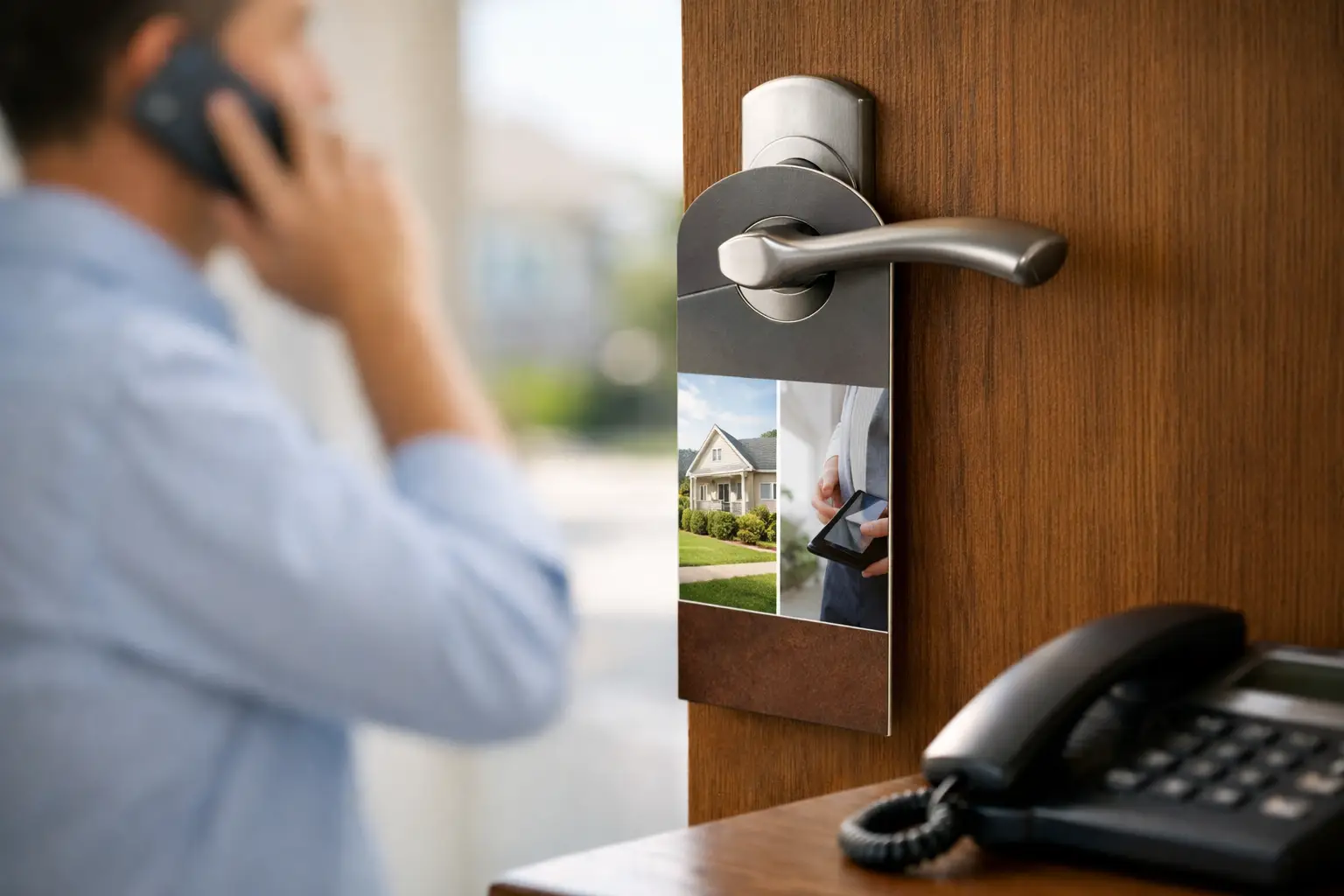
A homeowner does not have to open an envelope, scroll past an ad, or remember a search term to see a door hanger. It is already at the point of decision: the front door. For service businesses, retail promotions, restaurants, property professionals, and event-driven offers, door hangers for local marketing create a direct, visible way to put a specific message in a defined neighborhood.
That visibility only works when the campaign is planned around the offer, territory, and timing. A generic discount on a poorly printed hanger can disappear into the day’s clutter. A clear, professional piece with a timely reason to respond can generate calls, bookings, store visits, and repeat exposure in the exact area your business wants to reach.
Why Door Hangers Work for Local Campaigns
Local marketing is often about proximity. A homeowner with a broken air conditioner needs help nearby. A restaurant wants to fill tables on slower weeknights. A salon wants appointments before a holiday weekend. A real estate professional wants to establish a presence in one subdivision, not across an entire metro area.
Door hangers support that kind of focused outreach because they are distributed street by street. You choose the neighborhoods, apartment communities, or business corridors that fit your customer profile. Unlike broad digital targeting, a door hanger gives you physical confirmation that the message was delivered in the selected territory.
They also create an immediate visual interruption without requiring postage or a mailing list. The hanger is difficult to miss when someone arrives home, especially when it uses strong color, a readable headline, and a simple call to action. For Las Vegas businesses, this can be especially useful around seasonal demand, local events, neighborhood promotions, and service windows that cannot wait for a longer campaign cycle.
The trade-off is that door hanger distribution requires operational discipline. Someone must distribute them properly, follow community rules, avoid restricted properties, and track where each batch goes. The print piece is only one part of the campaign, but it is the part that carries your brand into every targeted doorway.
Start With One Clear Offer
The most effective door hangers do not try to explain every service your business offers. They lead with one reason to act now. That could be a limited-time new-customer offer, a free estimate, a seasonal service reminder, an event invitation, or a neighborhood-only promotion.
A plumbing company might promote a drain inspection before a busy holiday period. A local restaurant could offer a weekday dinner incentive to residents within a short drive. A property manager may use door hangers to announce available rentals or an open house. The offer should fit the audience and the location, not simply be the same promotion used everywhere else.
Make the value easy to understand in a few seconds. “$25 Off First Service” is clearer than a paragraph about your company history. “Book by Friday for Priority Scheduling” gives a deadline. “Show This Hanger for a Free Appetizer” makes tracking easier and gives customers a reason to keep the piece.
Urgency should be real. If an expiration date is printed, honor it. If availability is limited, make sure your team can answer incoming calls and fulfill the offer. A strong response campaign can hurt trust if customers reach voicemail, encounter unclear terms, or learn that the promotion was not ready to support.
Designing Door Hangers for Local Marketing
A door hanger has a small amount of space and a short attention window. Design should make the next step obvious, not compete for attention with too many details. Put the primary message at the top, followed by the offer, a clear response method, and the identifying information customers need to trust the business.
Use a headline that answers the customer’s immediate question: what is this, and why should I care? Service businesses often benefit from problem-focused language, while retailers and restaurants may lead with a promotion or experience. Keep body copy short, and make phone numbers, websites, QR codes, and redemption codes large enough to use quickly.
Professional print quality matters because the hanger represents your business at someone’s home. Clean color, sharp images, properly trimmed edges, and durable stock make the offer feel credible. A thin or poorly finished piece can send the opposite signal, particularly for premium services, hospitality businesses, and brands competing in crowded Las Vegas markets.
Consider using both sides. The front can carry the main offer and call to action. The back can include service areas, hours, a short list of key services, a map, testimonial language, or offer terms. This is more effective than crowding the front with every detail.
Choose Size and Stock Based on the Job
Standard-sized door hangers work well for most neighborhood campaigns because they fit securely on common door handles and keep production efficient. Larger formats can create more impact, but they may be unnecessary if the offer is simple. Smaller hangers can reduce cost, though they leave less room for readable type and branding.
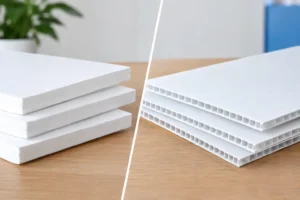
Paper stock depends on where and how the piece will be used. A sturdier stock helps a hanger hold up during distribution and at the door. Coated finishes can make photos and color graphics stand out, while uncoated stock can feel more practical and may suit handwritten notes or appointment reminders. If the campaign will run during heat, wind, or other outdoor exposure, ask your print provider about the most suitable production options.
Target the Right Doors, Not Just More Doors
Volume is useful only when the audience is likely to respond. Before printing, define the area by customer type, service radius, household profile, or proximity to your location. A lawn care company may focus on neighborhoods with larger yards. A quick-service restaurant may target nearby residential blocks. A home improvement contractor may choose communities with older homes or recent sales activity.
It also helps to separate territories into manageable routes. Print a unique code or phone extension for each neighborhood, or use different QR codes by route. This gives you better information than simply asking every caller, “How did you hear about us?” You can see which areas, offers, and distribution dates produced the strongest response.
Respect local rules and property restrictions. Do not place door hangers in mailboxes, and confirm the policies for gated communities, apartment properties, homeowner associations, and commercial buildings before distributing. A campaign that irritates property management or residents is not a cost-effective campaign, no matter how attractive the printed piece looks.
Build Response Tracking Into the Print Piece
A door hanger campaign should be measurable from the beginning. Add a unique promotion code, a dedicated phone number, a QR code connected to a specific landing page, or a simple instruction such as “Mention HANGER25.” One tracking method is good. Two can be even better if customers have different preferences for calling, scanning, or visiting in person.
Track the date, neighborhood, quantity distributed, offer, and resulting calls or sales. Over time, this helps you make practical decisions: whether to repeat a route, change the offer, adjust the design, or shift the budget to a different area. If one neighborhood produces high-value jobs but fewer total calls, it may still be the better investment.
Do not judge results too quickly. Some customers respond the same day, while others keep the hanger and call later. For services with longer buying cycles, consider pairing the campaign with yard signs, postcards, local event outreach, or follow-up digital ads that reinforce the same message.
Plan Production Around Your Deadline
Timing can determine whether a door hanger campaign works. A restaurant promotion needs to arrive before the dining window. An event invitation needs enough lead time for people to attend. A service offer tied to weather, a holiday, or a convention week needs to reach doors while the need is active.
Finalize the offer, distribution area, and artwork before sending a job to print. Last-minute changes to prices, dates, phone numbers, or QR codes can create expensive delays. If your team needs help preparing a print-ready file or refining the layout, address that early so the final piece is clear and consistent.
For businesses operating on tight schedules, Design One Printing can help coordinate professional door hanger production with the responsive turnaround local campaigns often require. The goal is not simply to print more pieces. It is to have the right pieces ready when your team is ready to distribute them.
A door hanger earns its place on the door when it gives the recipient one useful reason to respond. Make that reason clear, put it in the right neighborhood, and be ready to answer when the calls begin.