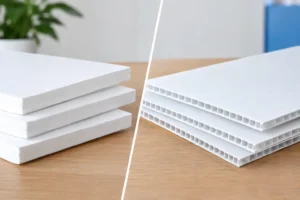

A presentation can have strong data, a capable speaker, and a polished slide deck, then lose impact because the supporting visuals are too small, too flimsy, or hard to read from across the room. Foam board signs for presentations solve that problem with a rigid, professional display that is easy to transport, set on an easel, or position at a booth, meeting room, lobby, or event entrance.
For Las Vegas businesses, exhibitors, and event teams, foam board is often the practical choice when a message needs to look finished without adding the setup demands of a full trade show display. The key is matching the board size, artwork, finish, and installation method to the way people will actually see it.
Why Foam Board Works for Business Presentations
Foam board is a lightweight rigid substrate with a foam core and smooth paper faces. Graphics are printed directly on the surface or mounted to it, producing a clean sign that holds its shape better than a poster or paper print.
That rigidity matters in professional settings. A loose poster can curl at the corners, ripple under venue lighting, or look improvised when taped to a wall. Foam board creates a more deliberate presentation, whether it displays a sales process, an event schedule, a property map, a product lineup, or a welcome message.
It is also easy to move. One person can usually carry several standard-size boards between a car, hotel meeting space, convention center, or office. For a short-term event or internal meeting, that balance of presentation quality and portability is difficult to beat.
Foam board is not the right answer for every project. It is best for indoor use and short-term displays. If the sign will face wind, rain, repeated handling, or a long installation period, a more durable rigid material may be the better investment. For the right environment, though, foam board provides a crisp, cost-conscious professional result.
Choose the Right Size Before Designing
The first question is not what looks good on screen. It is how far away the audience will stand when reading the sign.
An 11 by 17 inch board can work for tabletop messaging, product details, directional notices, or a close-up presentation. A 18 by 24 inch sign is a versatile option for easel displays in conference rooms and smaller event spaces. When the sign needs to draw attention across a lobby, booth aisle, or ballroom, 24 by 36 inches is often the more effective choice.
Larger is not always better. A large sign packed with small text is still difficult to read, while an oversized board can be awkward to carry through a busy venue. Consider the display location, the amount of information required, the easel or stand available, and the vehicle used for transport. If the presentation includes several charts or topics, multiple focused boards may work better than trying to force everything onto one large panel.
Plan for Viewing Distance
A simple rule helps: the farther away the viewer stands, the fewer words the board should contain. Headlines should be readable at a glance. Supporting copy should be limited to the details that help someone understand the point without needing the presenter to explain every line.
For example, a board used behind a speaker should emphasize a title, a major statistic, and a visual. A board used during a sales conversation can include more product specifications, pricing structure, or process steps because the viewer will be standing closer.
Design Foam Board Signs for Presentations Clearly
Presentation boards are not brochures. They should not try to carry every paragraph, footnote, or spreadsheet column from a slide deck. Their job is to make key information visible and memorable in a physical space.
Start with one purpose per sign. A welcome board should help attendees find the right room. A sales board should reinforce a benefit or comparison. A project board should make the process or outcome easier to understand. When the message is focused, the layout becomes easier to scan and the sign feels more confident.
Keep the visual hierarchy obvious. Use a strong headline first, a short supporting statement second, and graphics or data third. Make the most important number, product image, or callout large enough to notice from several feet away. White space is useful here. It gives the message room to breathe and prevents a board from looking crowded under bright event lighting.
Brand consistency matters, especially when several teams or vendors are presenting in the same room. Use approved logo files, brand colors, and typefaces whenever possible. A stretched logo, low-resolution photo, or mismatched color can make an otherwise professional display feel rushed.
Build Files at Full Size
Artwork should be designed at the final print dimensions, not created as a small document and enlarged at the last minute. Images should be high resolution at the size they will print. A photo that looks acceptable on a laptop can become soft or pixelated on a 24 by 36 inch board.
For sharp results, provide a press-ready PDF when possible, with images embedded and fonts outlined or included. If the project is still in progress, professional design support can help prepare the file, adjust the layout for the board size, and catch issues before production begins. That can be especially valuable when an exhibitor is managing last-minute booth details or an event organizer needs a coordinated set of signs quickly.
Select the Finish and Display Method
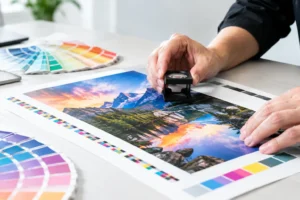
The standard smooth finish works well for most presentation boards, particularly when color photos, brand graphics, and crisp text are the priority. A matte surface can be a smart choice for signs placed under direct lights because it reduces glare. If attendees will photograph the display, avoiding reflections can make a noticeable difference.
Think about how the board will be supported before ordering. An easel is a reliable choice for a presentation room, registration area, or booth entrance. Tabletop holders work for smaller signs. Some boards can be mounted to walls or partitions with appropriate removable hardware, but confirm venue rules before planning around that option.
Avoid placing foam board directly on the floor unless it is properly supported. Foot traffic, cleaning equipment, and crowded aisles can damage the edges quickly. If the sign is part of a trade show setup, position it where it adds visibility without blocking access to products, staff, or the booth entrance.
Common Uses at Events and Meetings
Foam board signs are useful because they can adapt to the goal of the presentation. A real estate team may use them for neighborhood maps and property features. A healthcare organization may use them to explain services or patient pathways. A restaurant group can present menu concepts, catering packages, or location plans to decision-makers.
At conventions, they are commonly used for booth branding, product comparisons, pricing highlights, QR-code prompts, and demonstrations. At corporate meetings, they can show timelines, organizational charts, performance metrics, or workshop instructions. Nonprofits and local organizations often use them for sponsorship recognition, fundraising displays, program information, and event directions.
The strongest use case is one where people benefit from seeing the message without opening a device or waiting for a slide to appear. Physical signs keep essential information visible throughout the conversation.
Timing Matters More Than Most Teams Expect
Presentation graphics often become urgent near the end of an event timeline. The agenda changes, a sponsor is added, a product message is updated, or a team realizes the meeting room needs better directional signage. That is why it helps to send artwork for review as early as possible, even if the final copy is still being refined.
A production partner can confirm size, material, file setup, and turnaround before the deadline becomes a problem. For rush convention and business needs in Las Vegas, Design One Printing can help coordinate presentation boards with other event materials so the visual pieces arrive ready for setup.
Before approving the job, review the final proof for names, dates, phone numbers, QR codes, pricing, and logo placement. These are small details with outsized consequences once the board is on display. Also confirm pickup or delivery timing, especially when materials need to reach a hotel, convention venue, or meeting location.
Make the Sign Earn Its Place in the Room
Every foam board should answer a real audience need: where to go, what to know, why a product matters, or what action to take next. If it does not make that answer clearer from a few feet away, simplify the message before it goes to print.
A well-produced board does more than fill empty space beside a podium or booth wall. It gives your presentation a visible point of confidence, even when the schedule is tight and the room is busy.