A sign can look great on screen and still fail on the show floor if the material does not match the job. In the foam board vs pvc signs decision, the real question is not which option is universally better. It is which one will hold up, present your message well, and fit the way your business plans to use it.
For Las Vegas exhibitors, retailers, event planners, and local businesses, that choice often comes down to timing and environment. A foam board sign may be exactly right for a short indoor presentation or a one-day meeting. PVC may be the smarter investment for a trade show display, a busy lobby, or signage that needs to travel and be used again.
Foam Board vs PVC Signs: The Core Difference
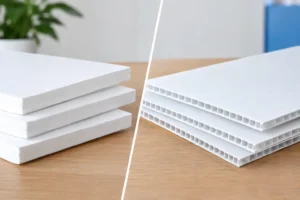
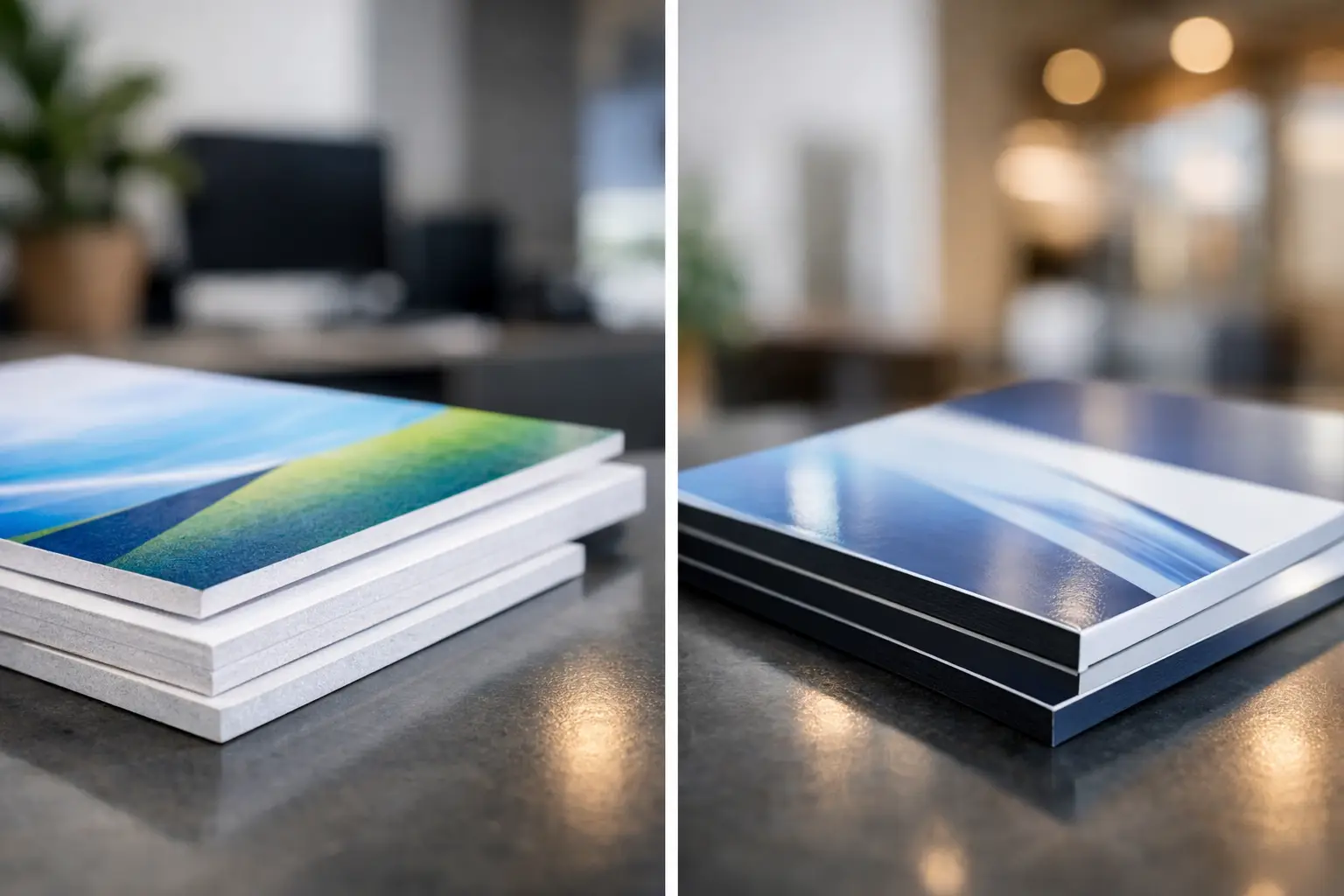
Foam board, also called foam core, has a lightweight foam center faced with smooth paper or clay-coated surfaces. It is a popular choice for mounted posters, presentation boards, temporary directional signs, photo displays, and indoor event graphics. It delivers a clean, professional look without adding much weight or cost.
PVC sign board, often called expanded PVC or Sintra, is a solid yet lightweight plastic sheet. It has a smooth, rigid surface that prints well and handles regular use better than paper-faced foam board. PVC is available in several thicknesses, making it useful for signs that need more structure, durability, or a more substantial feel.
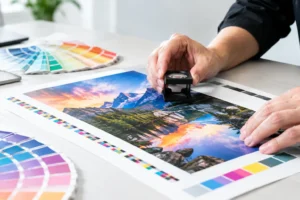
Both materials can produce sharp, full-color graphics. The deciding factors are usually how long the sign will be used, where it will be displayed, how it will be transported, and how polished the finished piece needs to feel.
When Foam Board Is the Right Choice
Foam board works best when speed, light weight, and indoor use are the priorities. It is a practical material for a presentation that happens once, an open house, a temporary lobby message, or a conference poster that needs to be carried from a hotel room to a meeting space.
Its light weight is a major advantage. A large foam board display is easier to mount, move, and set on an easel than many heavier rigid materials. For a business team rushing to prepare for a client meeting or event, that convenience matters. Foam board is also commonly selected when several signs are needed and the budget needs to stay focused on the campaign rather than the substrate.
The finished surface looks clean and bright under indoor lighting, particularly when paired with high-resolution artwork and strong color contrast. For menus, product callouts, sponsor boards, life-size photo props, and temporary wayfinding, it can provide excellent visual impact.
Foam board does have limits. The paper-facing can dent, crease, or peel if it is bumped during transport. Corners are more vulnerable, especially when boards are stacked without protection. Humidity and moisture can also affect the material, which makes it a poor choice for outdoor placement or areas where spills, weather, or heavy handling are likely.
If the sign is intended for one event, a short promotion, or a controlled indoor setting, foam board is often the efficient choice. It is not the material to choose when the sign will be packed, shipped, reused repeatedly, or exposed to the elements.
Why PVC Signs Cost More but Last Longer
PVC signs are built for situations where foam board may not hold up. Because PVC is plastic throughout, it resists moisture better and is less likely to bend, crush, or show damage from normal handling. It is a strong option for indoor signs that will stay up for weeks or months, as well as short-term outdoor signs when properly installed.
That durability is especially valuable for trade show exhibitors. Booth graphics may be loaded into a vehicle, carried through a convention center, leaned against walls during setup, and packed again at the end of the show. A PVC sign is more likely to arrive looking professional after that cycle.
PVC also has a cleaner edge and a firmer feel. For a reception sign, branded office décor, retail pricing display, real estate sign, menu board, or product display, the added rigidity can make the installation feel more permanent. Thicker PVC can stand more confidently on an easel or in a sign holder, although large pieces may still need appropriate support.
The trade-off is cost and weight. PVC typically costs more than foam board, and larger panels are heavier to carry and ship. While it is still considered lightweight compared with materials such as acrylic, wood, or metal, it is not as effortless to transport as foam core. If your sign only needs to look good for a few hours indoors, the added expense may not produce meaningful value.
Compare Durability, Appearance, and Handling
The quickest way to choose between these materials is to think through the physical life of the sign rather than just the first day it is displayed.
Foam board is best described as presentation-ready but delicate. It can look excellent, but it needs careful handling. Use it when the display will be installed indoors, handled minimally, and retired after a short campaign or event. It is ideal for easel signs, mounted promotional posters, meeting visuals, and convention graphics that do not need to survive repeated travel.
PVC is more forgiving. It handles routine movement, cleaning, and reuse better, making it a better fit for signs with a longer working life. If your staff will move the sign from one location to another, store it between events, or use it across multiple shows, PVC can reduce replacement costs and last-minute reprints.
Appearance is not simply a matter of one material printing better than the other. Both can support bold graphics, photographic images, and readable text when files are prepared correctly. Instead, appearance comes down to condition over time. A fresh foam board sign and a fresh PVC sign may both look polished. After a busy setup day, PVC is more likely to remain flat, clean, and free of damaged corners.
Consider the Display Environment Before Ordering
Indoor versus outdoor use should be settled early. Foam board is an indoor material. Even a covered outdoor location can introduce wind, moisture, temperature changes, and handling risks that foam board is not designed to manage.
PVC is more suitable when the sign may encounter moisture or short-term outdoor exposure, but it is not automatically the answer to every exterior application. Large outdoor signs need the right thickness, mounting method, and support for wind conditions. For a sidewalk, construction site, or long-term exterior installation, discuss the exact placement and expected duration before choosing a material.
Las Vegas adds another consideration: heat. A sign used indoors at a convention center, hotel ballroom, or retail location has very different demands than one placed near an exterior entrance. Do not assume that a sign will be protected just because it is under an awning or used for a brief event. Direct sun and high temperatures can affect adhesives, hardware, and display conditions.
Match the Material to Your Use Case
For an executive presentation, fundraiser, open house, or one-time conference session, foam board generally gives you the professional result you need at a cost that makes sense. It is light, fast to position, and easy to replace if the message changes.
For a trade show booth, recurring sales event, store display, hotel meeting room signage, or office installation, PVC is usually the safer choice. The upfront cost is higher, but the material is better prepared for transport, repeated use, and the everyday bumps that come with active business environments.
For short-notice projects, avoid making the material decision based on price alone. A lower-cost sign that bends in transit or looks worn after setup can create more expense and stress than choosing the right board from the start. Share the event date, installation location, expected sign life, and whether the piece must travel. Those details make it possible to recommend a material that fits the job rather than simply filling an order.
Choose Thickness and Finishing With Purpose
Thickness affects more than appearance. A thinner board may be appropriate for a small sign mounted flush to a wall or placed in a frame. Larger signs, freestanding displays, and pieces on easels often benefit from a thicker board that stays flatter and feels more substantial.
Finishing matters as well. Clean trimming, accurate color, readable typography, and safe packaging can make the difference between a sign that feels rushed and one that supports your brand. If you are supplying artwork, build in adequate resolution and keep important text away from the edges. If the sign must be assembled on-site, plan for the hardware, easel, frame, or mounting surface in advance.
A rush job does not have to look rushed. Design One Printing can help businesses select a practical material for their display, especially when a convention deadline, meeting, or campaign launch leaves little room for reprints.
The best sign material is the one that arrives on time, installs without trouble, and still looks like your brand belongs in the room. Choose foam board when the job is brief and controlled. Choose PVC when the display needs to work harder than one day.