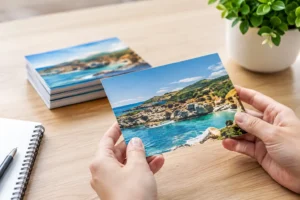
A generic postcard can announce a sale. A personalized postcard can give the recipient a reason to act. Variable data printing makes that difference possible by changing names, offers, locations, images, QR codes, or messages from one printed piece to the next without slowing down production.
For Las Vegas businesses working around events, conventions, seasonal promotions, and short sales cycles, that flexibility matters. A restaurant can send a lunch offer to nearby offices, a real estate team can feature neighborhood-specific listings, and an exhibitor can invite priority prospects to a booth with a personalized message. The print format stays consistent while the content becomes more relevant.
What Variable Data Printing Does
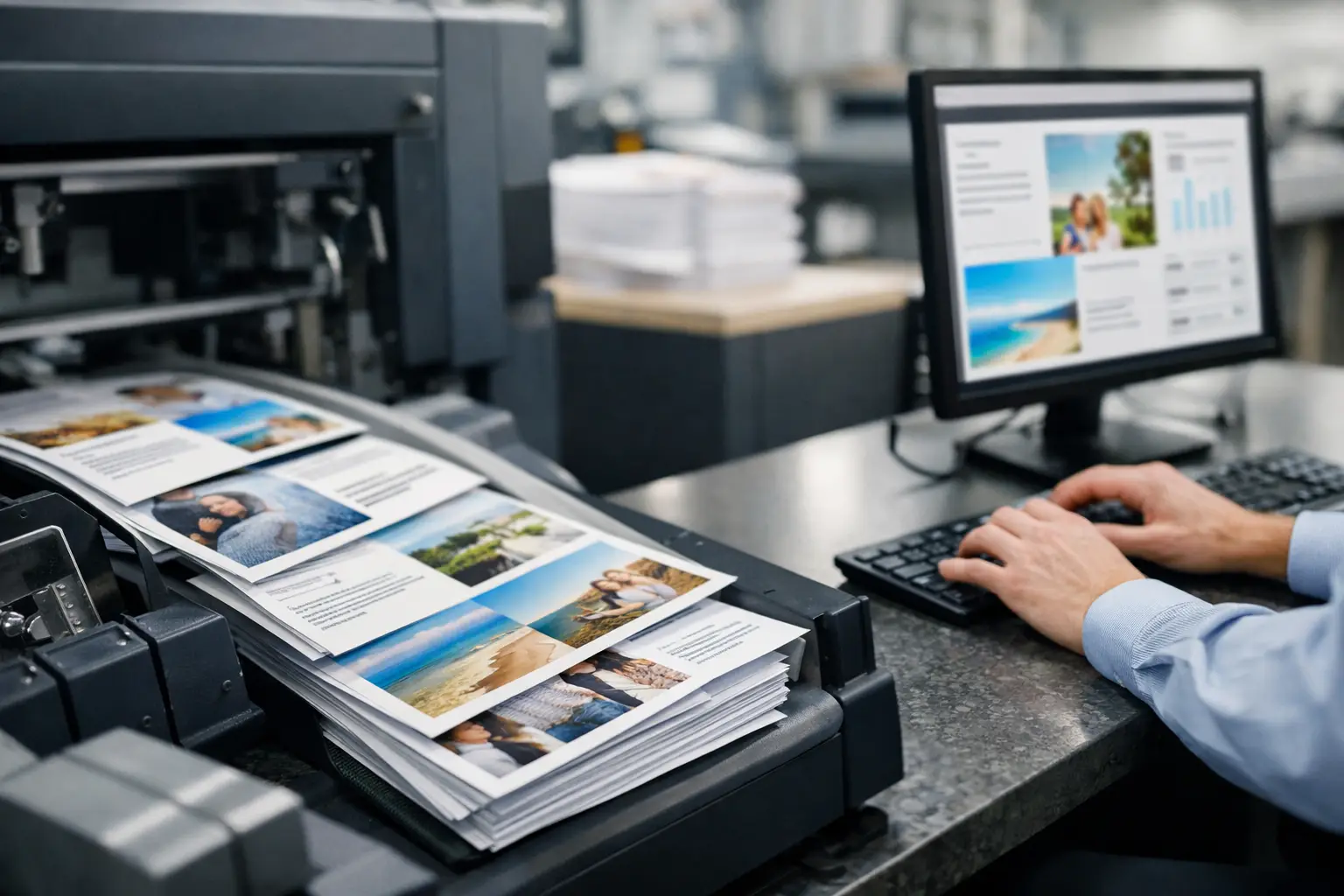
Variable data printing, often called VDP, combines a print-ready design with a data file. The design includes fixed elements such as your logo, brand colors, headline style, and contact information. The data file supplies the details that can change for each recipient, such as first name, company name, address, promo code, event date, or assigned salesperson.
Instead of producing one static postcard 2,000 times, the press produces 2,000 versions of that postcard. Each version can be tailored to a specific person, customer segment, or location while maintaining a professional, consistent look.
This is especially useful for direct mail, but the application goes beyond mailers. Variable content can be used on postcards, letters, brochures, flyers, loyalty cards, event invitations, coupons, door hangers, labels, and personalized sales materials. For a convention exhibitor, it can also support pre-show outreach that feels more intentional than a broad, one-message campaign.
Why Personalized Print Gets More Attention
People make quick decisions about printed marketing. If the piece does not appear relevant, it is easy to discard. Addressing a recipient by name is a good first step, but useful personalization goes further. It connects the offer to something the audience is likely to need.
A local fitness studio might send a different introductory offer to former members than to residents who have never visited. A hospitality supplier could create versions for hotels, restaurants, and entertainment venues, each highlighting the service most relevant to that business type. A retailer with more than one location can direct customers to the nearest store rather than asking them to figure it out themselves.
The goal is not to make every piece feel overly familiar. It is to remove friction. When the right offer, location, or next step is already on the page, the recipient has less work to do before responding.
Start With a Clear Campaign Goal
Personalization works best when it serves a specific business objective. Before building a data file or designing the piece, decide what action you want the recipient to take. That could be visiting a location, registering for an event, scheduling a consultation, redeeming an offer, requesting a quote, or scanning a QR code.
The action should shape the printed piece. A grand-opening mailer may need a bold opening date, a map, and a limited-time offer. A trade show invitation needs the event name, booth number, show dates, and a strong reason to stop by. A reactivation campaign for past customers may need a personalized incentive and a deadline.
Trying to include too many goals usually weakens the response. One campaign can have multiple personalized details, but it should still lead to one primary call to action.
Match the variables to the message
Not every campaign needs a dozen changing fields. In many cases, three or four variables create a meaningful difference: first name, nearby location, tailored offer, and a unique QR code or promo code. More variables can add relevance, but they also increase the need for careful data preparation and proofing.
For example, a business serving multiple ZIP codes could use the same postcard design while changing the headline, map, and store address for each area. That is more useful than simply adding a first name to a standard promotion.
Build a Data File That Will Print Correctly
The quality of a variable campaign depends heavily on the source data. A polished design cannot compensate for misspelled names, incomplete addresses, duplicate records, or outdated customer information.
A typical data file is a spreadsheet or CSV file with clearly labeled columns. Those columns might include first name, last name, mailing address, city, state, ZIP code, offer code, event date, salesperson, or QR code destination. Each row represents one recipient or one version of the piece.
Before printing, review the file for formatting consistency. Names should be properly capitalized. Address fields should be separated correctly. Dates should follow one format. Blank cells need a plan, especially if a variable field appears in the main headline or offer copy. If a record does not have a first name, the campaign should use a fallback line that still reads naturally.
Data hygiene is not glamorous, but it protects your brand. A mailer that says “Hello, [First Name]” or sends a family offer to a commercial prospect can waste budget and damage credibility.
Design for Personalization, Not Just Decoration
Variable data printing needs a design that accommodates changing content. That means leaving enough space for longer names, business names, or addresses and selecting fonts that remain readable at practical sizes. A short first name may fit cleanly in a headline, while a long company name may require a different layout or a separate variable field.
Keep essential information in fixed, dependable positions. Your logo, core offer, phone number, and primary call to action should be easy to find on every version. Variable elements should support the message rather than make the design look inconsistent.
Personalized images can be effective when they match a real audience segment. A hotel-focused version of a campaign might feature hospitality imagery, while a version aimed at convention exhibitors could show trade show graphics or booth materials. Still, image variations require more setup and proofing than name or offer changes. They are most worthwhile when the audience groups are large enough and distinct enough to justify the extra production work.
Use Tracking That Tells You What Worked
A variable campaign is easier to improve when each segment can be measured. Unique promo codes, personalized URLs, QR codes, or landing page references can help identify which audience, offer, or geographic area generated the best response.
For a Las Vegas event campaign, one QR code might be assigned to pre-registered attendees and another to local business prospects. For a multi-location retailer, codes can be tied to individual stores or service areas. The printed piece still looks cohesive, but the results become easier to evaluate after the campaign.
Track more than scans. A QR code scan is useful, but the business outcome matters more: appointments booked, event registrations, purchases, quote requests, or repeat visits. This information helps determine whether the next campaign should change the offer, the audience, the format, or the follow-up process.
When Variable Data Printing Makes Sense
VDP is a strong fit when your audience can be segmented in a way that changes the message or offer. It is particularly effective for customer reactivation, neighborhood mail campaigns, loyalty promotions, membership renewals, appointment reminders, event invitations, and sales outreach.
It may not be necessary for every print project. If you need 500 identical flyers for a busy convention floor, standard printing is often the faster and more economical choice. Variable printing adds value when relevance is likely to improve results enough to justify the data setup and campaign planning.
Quantity also matters, but personalization is not reserved for massive mailings. Smaller campaigns can benefit when the audience is high-value, such as a targeted list of past clients, nearby decision-makers, or VIP event guests. A carefully personalized run of 250 pieces can outperform a much larger generic mailing if the offer and list are better aligned.
Proofing Is Part of Production
Personalized print should always be reviewed with real sample records before the full run begins. Ask to see examples with short and long names, blank optional fields, different offer types, and multiple address formats. Check line breaks, image placement, QR code readability, and whether every call to action still makes sense for each version.
This is also the time to confirm mailing specifications, postal addressing, and timing. A direct mail campaign tied to a convention or limited-time event needs enough lead time for production, delivery, and response. For urgent local promotions, timing can be just as important as the personalization itself.
At Design One Printing, variable campaigns can be planned around the practical details that affect a fast turnaround: the final data file, the finished design, print quantity, mail requirements, and the deadline your promotion needs to meet.
The most effective personalized piece is not the one with the most data fields. It is the one that gives the right recipient a clear, credible reason to respond while there is still time to act.