A product can be excellent and still get overlooked if the packaging feels generic, rushed, or off-brand. That is why custom packaging print solutions matter for businesses that need every customer touchpoint to look polished, consistent, and ready for the real world – whether that means a retail shelf, a trade show table, a mail campaign, or a handoff at an event.
For many companies, packaging is doing more than one job at once. It needs to protect the item, carry the brand, communicate details clearly, and look good in person and on camera. In a market like Las Vegas, where presentation often happens on tight timelines and in high-visibility settings, packaging also needs to be produced fast and done right the first time.
Why custom packaging print solutions matter
Standard packaging can work for simple shipping needs, but it rarely helps a brand stand out. If you are selling in person, sending samples, preparing influencer kits, packaging promotional items, or creating leave-behind materials for a convention, the packaging itself becomes part of the pitch.
Good packaging print decisions support three business goals at once. First, they improve brand recognition by keeping color, messaging, and visual style consistent. Second, they improve the customer experience by making the package easier to understand, open, and use. Third, they help operations run more smoothly when the format fits the product, the quantity, and the timeline.
That last point matters more than people expect. A beautiful package that is difficult to assemble, expensive to ship, or impossible to reorder quickly can create more problems than it solves. The best solution is not always the most elaborate one. It is the one that fits your use case, budget, and deadline.
Choosing the right custom packaging print solutions for the job
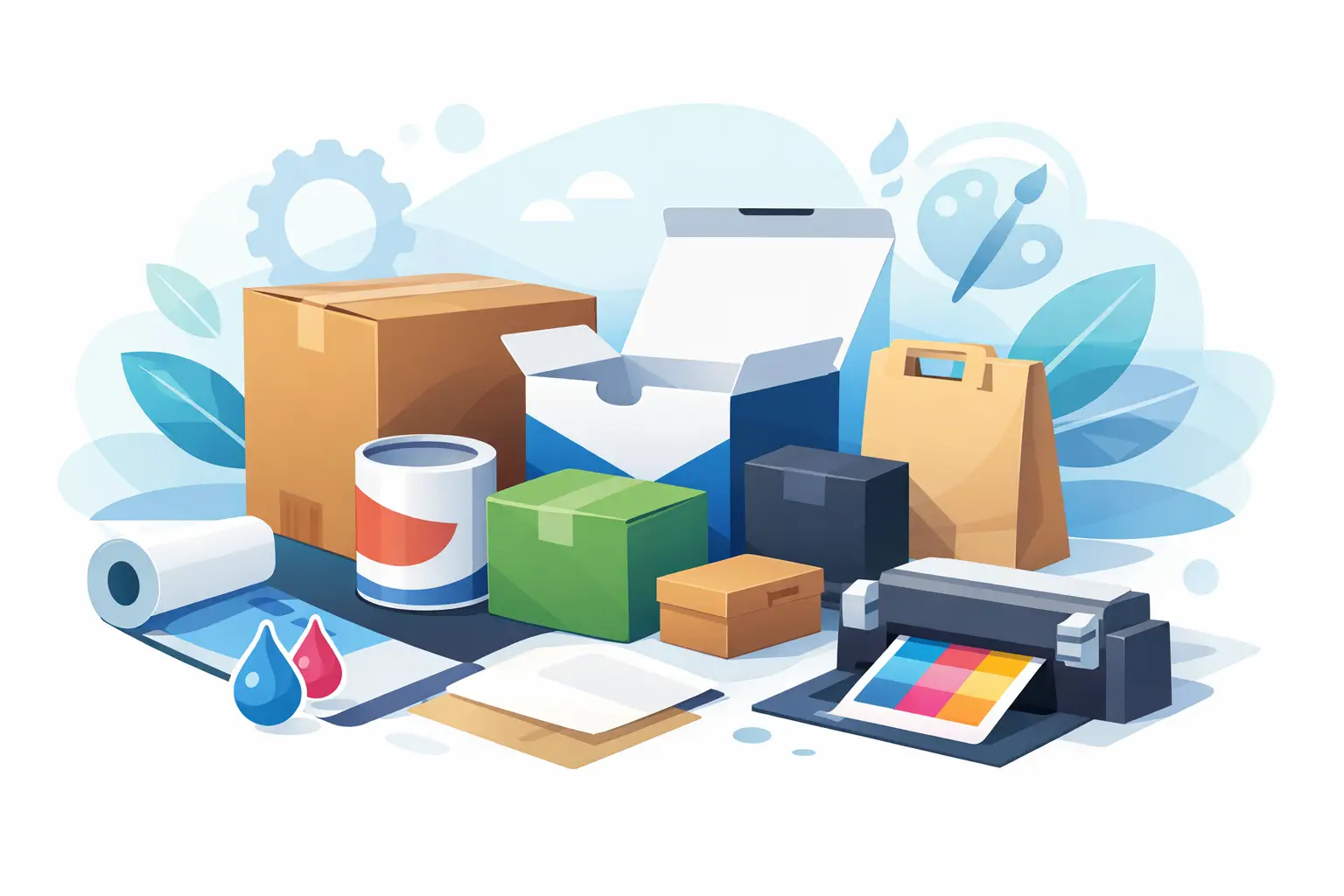
The right packaging format depends on how the product will be used and where it will be seen. A small retail item may need printed labels, folding cartons, or branded sleeves. A promotional gift set might need inserts, box wraps, stickers, and instruction cards. Event-driven packaging often leans toward speed and flexibility, especially when quantities change late or messaging needs a last-minute update.
This is where a production-focused printer can save time. Instead of treating packaging as a standalone design exercise, it helps to approach it as part of a broader print system. If your package needs matching postcards, handouts, booth graphics, or branded stickers, the packaging has to align with all of it. Colors should match. Typography should be consistent. Finishing choices should support the look without slowing the schedule more than necessary.
In practical terms, businesses usually weigh four factors first: quantity, turnaround, durability, and appearance. A short-run event package may prioritize speed and visual impact. A retail package may prioritize shelf presence and clearer product information. A mailer may need to balance branding with postage and handling concerns. There is no single best setup for every project.
Materials, finishes, and print details
Material choice affects both performance and perception. Thicker stocks can feel more premium, but they may add weight or increase cost. Coated finishes can make colors pop, though they may not be ideal if you need to write on the surface. Matte can feel more refined for some brands, while gloss often works well for bold promotional packaging.
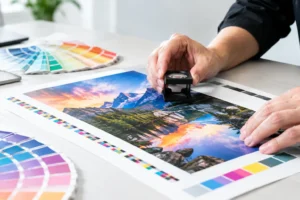
Print details also deserve attention early. If your brand relies on precise color, make sure the packaging can reproduce it consistently across related pieces. If the package includes legal copy, ingredients, instructions, or event information, readability matters as much as design. Small text, low contrast, or overcrowded layouts can hurt usability fast.
Then there is finishing. Foil, spot coatings, and specialty effects can elevate a package, but they also add time and cost. For rush projects, a clean, well-printed package on the right stock often delivers more value than a complicated finish that risks delays. Strong design and accurate production usually beat unnecessary embellishment.
Packaging for events, trade shows, and fast-moving campaigns
Las Vegas businesses and exhibitors often need packaging on compressed schedules. Products arrive late. Booth plans shift. Marketing teams change messaging after materials are already in motion. In those situations, packaging needs to be flexible enough to support the event without becoming a production bottleneck.
Short-run custom packaging print solutions are especially useful for product launches, promotional giveaways, media kits, hospitality welcome boxes, and convention handouts. These jobs may not need massive volume. They need clean execution, fast proofing, and dependable turnaround.
That is also why coordination matters. If your packaging project includes inserts, labels, display cards, or branded collateral, producing everything through one experienced partner helps reduce version errors and saves time during fulfillment. A local team with fast turnaround can be the difference between making the event deadline and improvising at the last minute.
For exhibitors, packaging often has a second life beyond the booth. Samples are handed to buyers, prospects, and partners who take them home. A branded package that looks sharp, travels well, and clearly identifies the company can keep working long after the event ends.
Common mistakes that cost time and money
One of the most common packaging mistakes is starting with visuals before confirming the actual use case. A mockup may look great on screen but fail once the product is inserted, stacked, shipped, or displayed under venue lighting. Structure and function should be considered before final artwork is locked.
Another issue is underestimating turnaround. Packaging usually involves more decision points than a standard flyer or postcard. Size, folds, fit, finishing, and proofing all affect production. If the job is tied to an event or launch date, the timeline should be built backward from that deadline, with time for approvals and revisions.
Inconsistent branding is another avoidable problem. If the packaging uses one version of a logo, the insert uses another, and the event signage uses different colors, the result feels disjointed. Customers notice that, even if they cannot name it directly.
There is also the quantity trap. Ordering too many units for a time-sensitive promotion can create waste. Ordering too few can leave a campaign short. A good packaging plan balances forecast, storage, and reorder speed. For some businesses, smaller runs with faster reprints make more sense than committing to large volumes upfront.
What to prepare before requesting a quote
Packaging projects move faster when the basics are defined early. It helps to know the product dimensions, estimated quantity, intended use, required deadline, and whether matching printed pieces are part of the job. If you already have brand files, copy, and dielines, that helps. If not, a design-capable print partner can often help organize the project before production begins.
You should also be clear about where the packaging will be used. Retail display, direct handout, local delivery, mail campaigns, and convention distribution all place different demands on materials and format. The more specific the use case, the easier it is to recommend the right path.
If speed matters, say so upfront. Rush projects are absolutely possible, but they work best when the printer knows which details are fixed and which can be simplified to protect the deadline. Sometimes a smart revision to size, stock, or finishing can save a job without hurting the overall presentation.
For businesses in Las Vegas, that flexibility matters. Companies often need packaging tied to broader campaigns that include flyers, signs, postcards, presentation materials, or booth graphics. Design One Printing supports those kinds of fast-turnaround jobs with the practical mindset businesses need when the clock is already running.
Packaging should support the brand, not slow it down
The best packaging is not just attractive. It is useful, timely, and aligned with the way your business actually sells. It helps products travel better, display better, and make a stronger impression without creating delays or complexity that your team does not need.
If your packaging has to work hard on a deadline, keep the focus on fit, clarity, and production reality. A strong custom piece delivered on time will do more for your brand than an overbuilt idea that misses the moment.