A poster that arrives late, prints soft, or looks off-brand does not just miss the mark – it wastes a selling opportunity. That is why wide format poster printing matters for businesses in Las Vegas, where events move fast, foot traffic is valuable, and presentation quality can affect whether someone stops, walks in, or keeps going.
For marketers, exhibitors, retailers, and event teams, posters are often one of the quickest ways to get a message into the room. They can announce a promotion, support a booth, reinforce branding in a lobby, or direct attendees through a convention space. But good results depend on more than printing a file at a larger size. The size, material, finish, artwork setup, and turnaround all affect how the final piece performs.
What wide format poster printing is really used for
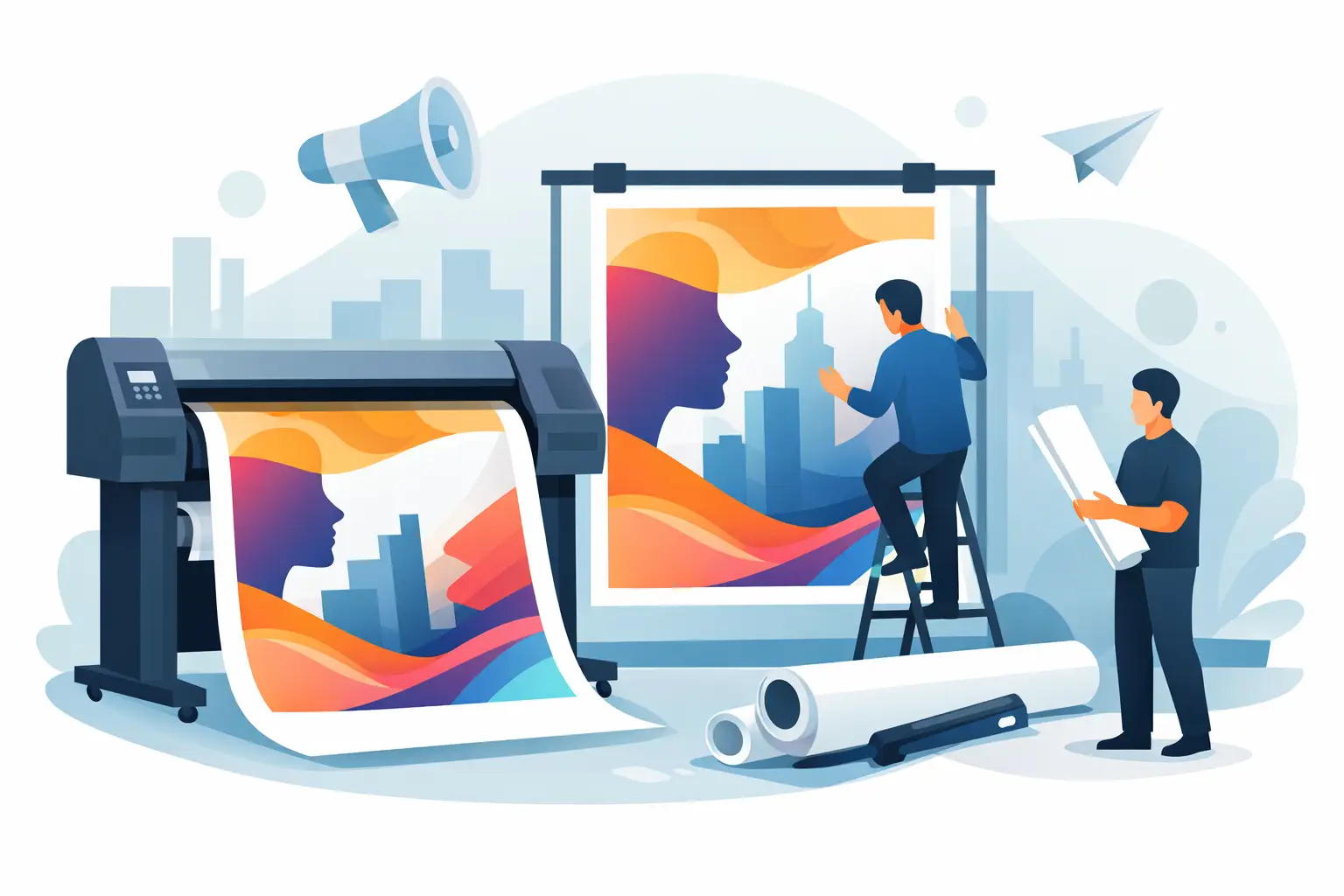
Wide format poster printing is designed for graphics that need to be seen clearly at a larger scale. In practical terms, that means promotional posters, presentation boards, directional event signage, retail displays, real estate graphics, hospitality messaging, and branded visuals for trade shows. These pieces need enough visual impact to stand out, but they also need to stay sharp when viewed up close.
That balance is where many poster jobs succeed or fail. A poster in a storefront window has one job. It needs to catch attention quickly. A poster mounted near a registration desk has a different job. It may need to communicate pricing, schedules, instructions, or sponsor information in a way people can read without effort. The best format depends on where the poster will be used, how long it will stay up, and how far away people will be when they see it.
When posters make more sense than banners or signs
Not every large graphic should be a banner. Posters are often the better choice when you want a clean, polished display surface, especially indoors. They work well for framed promotions, easel presentations, mounted event graphics, and short-term campaigns where visual quality matters more than weather resistance.
Banners tend to be the right move when portability and durability come first. Rigid signs are useful when the display needs structure and longer-term use. Posters sit in the middle. They give you strong visual presence without the added weight or cost of a rigid board, and they often look more refined than a flexible banner in indoor business settings.
For convention and event work, that distinction matters. If you are setting up a booth, a registration area, or a hotel meeting room, a poster can provide a more finished look while still being fast to produce and easy to place.
Choosing the right size for wide format poster printing
Poster size should match the space, not just the artwork. A common mistake is choosing dimensions based on what looks impressive on screen instead of what will be readable in the real environment. A hallway poster viewed from ten feet away needs larger type and a stronger layout than a countertop poster read from two feet away.
Larger is not always better. If your message is simple, a moderate-size poster can be more effective because it is easier to position, easier to mount, and often faster to produce. If your poster includes schedules, product details, maps, or multiple sponsor logos, going wider may be necessary just to preserve readability.
A practical approach is to start with viewing distance and placement. From there, size the poster to support the content rather than forcing too much information into a format that looks crowded.
Artwork quality matters more at large scale
A file that looks acceptable on a laptop can fall apart when enlarged. Low-resolution images, thin lines, tiny text, and poor color contrast become much more obvious in wide format poster printing. This is especially true for brand-heavy applications like retail promotions, sales presentations, and trade show graphics.
The strongest poster designs are usually simple. One headline, one core message, one clear visual direction. Too much copy turns a poster into a wall of text. Too many elements compete for attention. If the poster has to work in a busy environment, clarity wins.
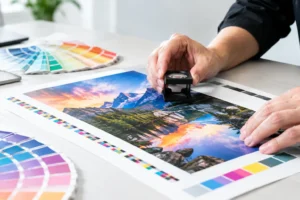
Color choice also deserves attention. Bright colors can help with visibility, but they need enough contrast to stay legible. Dark backgrounds can look sharp and premium, though they may show handling marks more easily depending on the stock and finish. If brand accuracy is critical, it helps to work with a print partner who understands how color behaves across different large-format materials.
Paper, finish, and mounting options affect performance
The material behind the print changes how the poster looks and how long it lasts. Gloss can make colors feel more vibrant, which works well for retail promotions and high-energy event graphics. Matte reduces glare, which is often the better choice under conference lighting, in lobbies, or anywhere readability matters.
Then there is the question of mounting. A poster that will be pinned to a wall for one day has different requirements than a presentation board that will sit on an easel in front of clients. Some posters are printed to remain flexible. Others are mounted to foam board or another rigid substrate for a more stable display.
This is one of those areas where the right answer depends on use. If the piece needs to travel, flexibility may matter more. If it needs to stand cleanly and look formal, mounting may be worth the added investment. For short-run business graphics, it is often better to choose based on handling and presentation rather than just cost per piece.
Speed matters, but so does file readiness
Rush jobs are common with posters. A speaker changes. A booth graphic gets damaged. A promotion needs to launch tomorrow. A venue requests updated directional signage at the last minute. In a city built around meetings, conventions, and live events, fast turnaround is often part of the job.
Still, speed in production works best when files are prepared correctly. Missing bleeds, low-resolution images, incorrect dimensions, and unembedded fonts can slow a job down more than the printing itself. If there is a firm deadline, the fastest route is usually a clear file, an approved proof, and a production team that can flag issues early.
That is where working with a responsive local provider can make a real difference. Design One Printing supports businesses and exhibitors who need posters produced quickly without guessing their way through setup or pickup timing. When timing is tight, clear communication is part of the product.
Common business uses for wide format posters
Posters are versatile because they solve different problems at different stages of a campaign. A retail store may use them to promote a sale. A restaurant may use them for seasonal offers or event announcements. An exhibitor may need branded posters to support product launches or reinforce messaging around a booth.
They are also useful behind the scenes. Internal event signage, corporate presentations, donor recognition displays, check-in instructions, and wayfinding graphics are all strong use cases. In many of these situations, the poster is not the centerpiece of the campaign, but it still plays a critical role in how organized and professional the business appears.
That matters more than many teams expect. A well-printed poster helps people trust the message. A poorly printed one creates friction, even when the content itself is solid.
How to get a better result without overcomplicating the job
The best poster orders usually start with a few practical decisions. First, define where the poster will be displayed and how long it needs to last. Second, decide what the viewer should notice first. Third, make sure the artwork is built to size with readable text and strong image quality.
After that, choose the finish based on lighting and presentation. If the poster will be under bright lights, matte often helps. If the goal is maximum color pop, gloss may be the better fit. If you are unsure whether to mount it, think about how it will be transported and displayed.
Most of all, do not wait until the last possible hour if the poster is tied to a launch, opening, or show date. Even when fast service is available, a little planning gives you better options.
A strong poster does not need to be complicated. It needs to be clear, well produced, and ready when you need it. When those three things line up, wide format print becomes one of the most dependable tools in your marketing mix.