
A loose stack of flyers and forms does not feel like a finished sales package. At a trade show, in a client meeting, or during a hotel pitch, that small detail changes how your brand is perceived. Custom presentation folder printing gives your materials structure, keeps everything organized, and turns routine paperwork into a polished leave-behind that looks intentional.
For businesses in Las Vegas, folders are often more than office stationery. They are part of the handoff at conventions, proposal meetings, press events, real estate presentations, healthcare enrollment packets, and hospitality sales calls. When timelines are tight, the right folder has to do two jobs at once – protect the contents and represent the brand well.
Why custom presentation folder printing still matters
Digital presentations handle the pitch, but printed folders often close the gap between interest and action. After the meeting ends, people still need something they can carry, review, and share internally. A folder makes that easier.
It also creates order. Instead of handing over separate brochures, rate sheets, business cards, and contracts, a presentation folder keeps every piece in one place. That sounds simple, but it has real business value. Organized material is more likely to be reviewed, and materials that look professionally packaged tend to be taken more seriously.
There is also a branding advantage. A well-printed folder signals preparedness. It shows that your business pays attention to details. For exhibitors, sales teams, and marketing departments, that can matter as much as the brochure inside.
Where presentation folders make the biggest impact
Not every printed piece needs special finishing, but folders are useful in more situations than many businesses expect. Sales teams use them for proposals, product sheets, and onboarding packets. Event exhibitors use them for booth handouts, sponsorship materials, and branded literature. Medical, legal, financial, and real estate offices use them for documents that need to stay organized and look professional.
They are especially effective when multiple pieces need to travel together. If you are presenting pricing, service summaries, forms, and a business card, a folder keeps the package intact from the first conversation to the follow-up. For conventions and meetings, that helps prevent materials from being separated or discarded.
In a city built around events and fast-moving business opportunities, presentation folders are often part of a larger print package. They may need to coordinate with brochures, inserts, postcards, signage, and booth graphics. That is where planning ahead helps, because consistency across all printed items creates a stronger impression than any one piece on its own.
Choosing the right folder style
The best folder is not always the most elaborate one. It depends on how it will be used, how much material it needs to hold, and how quickly it needs to be produced.
Standard pocket folders work well for most business packets. They are practical, familiar, and easy to distribute. If you need to include a business card, adding a slit in one pocket is a smart move. It keeps the card from slipping around and gives the recipient a direct contact point.
Capacity folders are better when the packet is thick. If you are assembling training documents, enrollment forms, or multi-page proposal sets, expansion features can keep the folder from bulging or tearing. The trade-off is that larger-capacity folders may require more planning and can affect turnaround depending on the construction.
The pocket layout matters too. Two-pocket folders are common because they separate documents cleanly. A single-pocket style can work when the insert count is low and the presentation is more streamlined. For some uses, vertical pockets or custom panel configurations make sense, but only if they improve function. Custom features should support the job, not just add cost.
Design choices that improve results
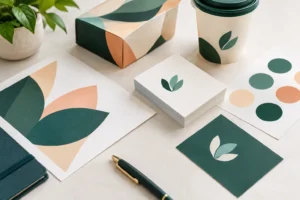
A presentation folder should look branded, but it also needs to stay readable and useful. The front cover usually carries the most visual weight, so this is where strong logo placement, clean typography, and a clear brand color strategy matter most.
Too much copy can weaken the design. In most cases, the folder itself should not try to say everything. Its role is to package the information, not compete with it. A concise front design, a clean inside panel, and a well-placed contact area often perform better than a crowded layout.
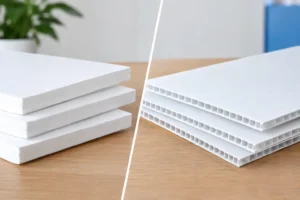
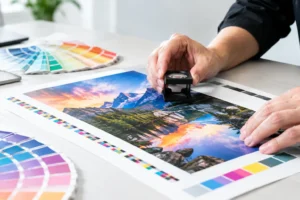
Paper stock and finish also affect the impression. A thicker stock generally feels more substantial, which helps when the folder is used for high-value presentations or executive meetings. Gloss can add color vibrancy, while matte or satin finishes often feel more refined and reduce glare under bright event lighting. There is no single right answer here. A restaurant group, law office, convention exhibitor, and luxury service brand may all need a different finish to match how they want to be seen.
If the folder will be handled heavily, durability matters. Pockets need to hold inserts securely, folds should stay crisp, and the printed surface should stand up to transport and repeated use. That is why production quality matters as much as the artwork.
How custom presentation folder printing fits into fast-turn business needs
Folders are often ordered when something important is happening soon. A pitch meeting gets moved up. A convention shipment arrives incomplete. A sales packet needs to be refreshed before the team heads to an event. In those moments, the challenge is not just printing the folder. It is making sure the job is practical for the deadline.
This is where clear specs save time. Size, pocket style, paper stock, finish, quantity, and whether inserts are also being printed should be confirmed early. Last-minute changes to construction can affect production more than small design edits. If speed matters, choosing a folder format that can be produced efficiently is often the better decision.
For local businesses and exhibitors near the Strip or convention centers, working with a responsive print partner can reduce risk. Quick communication, proof review, and production coordination matter when there is little room for delay. Design One Printing serves many deadline-driven customers who need marketing materials to look polished without slowing down the schedule.
Common mistakes to avoid
One common issue is ordering a folder before deciding what will go inside it. That can lead to pockets that are too shallow, spines that do not allow enough capacity, or panel sizes that do not fit the inserts cleanly. Start with the contents, then build the folder around them.
Another mistake is treating the folder as an afterthought. If your brochures and sell sheets are carefully branded but the folder looks generic, the entire package feels less cohesive. The folder does not need to be flashy, but it should clearly belong to the same campaign or brand system.
There is also the timing problem. Custom folders can involve more production steps than flat printed pieces, so they should not be pushed to the last possible minute unless the format has been chosen with rush turnaround in mind. If the packet is needed for an event, it is smart to plan the full set together – folder, inserts, business cards, and any supporting signage.
Getting better value from your folder order
The most effective folder is one that keeps working after the first meeting. That usually means designing it for repeat use across multiple appointments, not just one event. If the branding is evergreen and the messaging is broad enough, the same folder can support many types of inserts over time.
That approach helps control costs because you can print branded shells and update the inside materials as offers, pricing, or campaign details change. It also gives your team flexibility. A sales rep can tailor the packet to the prospect without needing a completely new folder every time.
Consistency matters here. If your folders match your brochures, postcards, signage, and trade show graphics, your brand looks more organized across every touchpoint. For companies that present often, that kind of consistency is not just nice to have. It supports credibility.
A strong folder does not need to be complicated. It needs to fit the materials, reflect the brand, and arrive when you need it. When those three things line up, custom presentation folders stop being a minor print item and start doing real work for your business.
If you are preparing for a meeting, event, or proposal deadline, the best time to think about the folder is before your materials are in a loose stack on the conference table.